
Indoor Air Quality
Filtration, UV lights, and purification for healthier buildings. Specialized execution for Houston's demanding commercial environments.
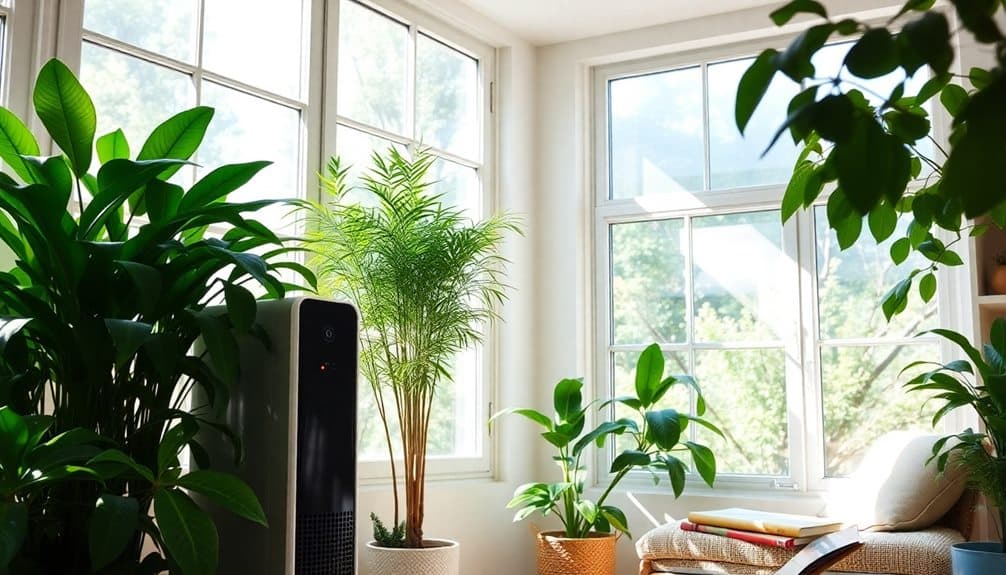
Indoor air quality improvement services in Houston, TX enhance the health and comfort of commercial building occupants by reducing airborne contaminants and optimizing ventilation systems. Our licensed and insured contractors specialize in comprehensive indoor air quality assessments, filtration upgrades, ventilation improvements, and contaminant control solutions for office buildings, retail spaces, healthcare facilities, and educational institutions throughout the Houston metropolitan area.
Houston's humid subtropical climate and proximity to industrial areas create unique indoor air quality challenges, including high pollen counts, ozone formation, and potential chemical contaminants. Our indoor air quality services address these challenges through advanced filtration systems, proper ventilation design, humidity control, and targeted contaminant removal to create healthier indoor environments that support occupant health and productivity.
Typical indoor air quality projects include HEPA filtration system installation, UV germicidal irradiation, demand-controlled ventilation, humidity control systems, and air purification technologies. We work with premium manufacturers of air quality equipment to ensure systems that effectively remove particulates, VOCs, mold spores, bacteria, and other contaminants while maintaining proper ventilation rates.
For office buildings in downtown Houston, indoor air quality improvements focus on reducing sick building syndrome symptoms and enhancing cognitive function through cleaner air. Healthcare facilities benefit from specialized filtration and disinfection systems that support infection control protocols. Educational institutions require systems that provide safe learning environments for students and staff.
The assessment and improvement process typically spans 1-4 weeks depending on building size and air quality issues identified. This includes comprehensive air quality testing, system evaluation, equipment selection, and implementation with minimal disruption to building operations. We provide detailed reports and recommendations for ongoing air quality management.
Energy efficiency is balanced with air quality improvements through smart ventilation controls that optimize fresh air intake while minimizing energy consumption. Modern systems use sensors to monitor indoor air quality and adjust ventilation rates accordingly, reducing operating costs while maintaining healthy indoor environments.
Building types we serve include single-story retail centers, multi-story office complexes, healthcare facilities, educational institutions, hospitality properties, and industrial facilities. Each indoor air quality solution is customized to address specific building requirements, including compliance with ASHRAE Standard 62.1 and local health department regulations.
Our indoor air quality services include ongoing monitoring, maintenance programs, and performance verification to ensure systems continue to deliver optimal air quality. We provide training for building staff on air quality management and offer comprehensive documentation for regulatory compliance and insurance purposes.
Safety and compliance are paramount, with all improvements meeting EPA guidelines for indoor air quality, OSHA standards for workplace safety, and local building codes. We coordinate with health departments and environmental agencies to ensure systems meet regulatory requirements for commercial buildings.
Measurable results are achieved through before-and-after air quality testing that documents improvements in particulate levels, VOC concentrations, and overall indoor air quality. This data supports building certifications and demonstrates commitment to occupant health and safety.
Our Process
Indoor air quality improvement services in Houston, TX begin with a comprehensive assessment of your building's current air quality conditions, including detailed testing and analysis. Our certified technicians evaluate ventilation systems, filtration effectiveness, humidity levels, and potential contaminant sources to identify specific air quality challenges in your commercial property.
Following the assessment, we provide detailed improvement recommendations with equipment specifications, implementation plans, and expected outcomes. This includes selection of appropriate air quality technologies, system integration requirements, and coordination with building operations. Most indoor air quality projects can be planned within 1-2 weeks.
The implementation phase includes equipment installation, system integration, and calibration to ensure optimal performance. Our technicians follow manufacturer specifications and industry best practices, ensuring safe and effective installations. We coordinate with building management teams to schedule work during off-hours and minimize disruption.
Upon completion, we perform comprehensive testing including air quality measurements, system performance verification, and occupant feedback assessment. This includes comparison of pre-improvement and post-improvement air quality data. We provide detailed documentation including test results, operation manuals, and maintenance schedules.
Post-implementation support includes staff training for system operation and air quality management, 30-day performance monitoring, and establishment of preventive maintenance programs. Property owners receive direct communication throughout the project with regular updates and the ability to contact project managers directly.
Key Benefits
Indoor air quality improvement services in Houston, TX deliver substantial health, productivity, and operational benefits for commercial buildings. Clean indoor air reduces health risks, improves cognitive function, and creates more productive work environments in Houston's challenging outdoor air conditions.
Health improvement results from reduced exposure to airborne contaminants including particulates, VOCs, mold spores, and bacteria. This creates healthier indoor environments that reduce respiratory illnesses, allergies, and other health issues common in Houston's humid climate.
Productivity enhancement is achieved through improved cognitive function and reduced sick days. Studies show that better indoor air quality can improve concentration and decision-making by up to 15%, leading to measurable improvements in business performance.
Regulatory compliance is ensured through systems that meet ASHRAE Standard 62.1, EPA guidelines, and local health department requirements. Properly documented air quality improvements provide protection during inspections and demonstrate commitment to occupant safety.
Property value enhancement comes from buildings with superior indoor air quality that appeal to health-conscious tenants and qualify for green building certifications. Properties with excellent air quality command higher rental rates in Houston's competitive market.
Reduced liability exposure protects property owners from claims related to poor indoor air quality, respiratory health issues, or regulatory violations. Professional air quality improvements with detailed documentation demonstrate due diligence in building safety.
Energy efficiency improvements result from optimized ventilation systems that reduce unnecessary air exchange while maintaining air quality. Smart controls adjust ventilation based on actual occupancy and contaminant levels, reducing energy costs.
Marketing advantage is gained through buildings that can promote superior indoor air quality to tenants, customers, and employees. This becomes a competitive differentiator in attracting and retaining quality businesses and individuals.
Long-term cost savings come from reduced cleaning requirements, lower maintenance costs for HVAC systems, and decreased absenteeism. Healthy buildings require less frequent deep cleaning and experience fewer HVAC maintenance issues.
What's Included
Example Projects
Complete indoor air quality upgrade for 35,000 sq ft corporate headquarters including HEPA filtration and UV disinfection
Corporate office building experiencing high absenteeism and occupant complaints about air quality and allergies
Conducted comprehensive air quality testing, identified pollen and VOC issues, installed advanced filtration and UV systems with demand control
Reduced absenteeism by 25% and improved occupant satisfaction with documented air quality improvements
Contact us to discuss your indoor air quality improvement needs in Houston, TX. We can share references upon request.
Compliance & Standards
Frequently Asked Questions
How do I know if my Houston commercial building has poor indoor air quality?
What indoor air quality standards apply to commercial buildings in Houston?
Do indoor air quality improvements require permits in Houston, TX?
How long do indoor air quality improvements take in Houston commercial buildings?
Can indoor air quality improvements be done during business hours?
What warranties do you provide on indoor air quality systems?
Do indoor air quality improvements qualify for rebates in Houston?
How often should indoor air quality systems be serviced?
Can you test indoor air quality before making improvements?
What types of air quality technologies do you install?
How much do indoor air quality improvements cost in Houston, TX?
Can indoor air quality improvements help with Houston's pollen and humidity issues?
Ready to Discuss Your Project?
Get a detailed estimate for indoor air quality. No obligation, just expert advice.
Contact Us NowTypical Project Timeline
Consultation & Load Analysis
Week 1-2Site survey, load calc, and equipment selection.
Proposal & Permitting
Week 3Detailed quote, contract signing, and city permit filing.
Mobilization & Install
Week 4-6Equipment delivery, crane lift, installation, and ductwork.
Commissioning
Week 7System startup, balancing, testing, and handover.
Efficiency Standards (2025)
| System Type | Min. SEER2 / IEER | Target |
|---|---|---|
| Split System (<65k BTU) | 14.3 SEER2 | 16+ SEER2 |
| Rooftop Unit (Packaged) | 14.8 IEER | 18+ IEER |
| VRF / VRV Systems | 18.0 IEER | 22+ IEER |
| Water-Cooled Chiller | 0.58 kW/ton | 0.52 kW/ton |
Higher efficiency ratings often qualify for CenterPoint Energy rebates and tax incentives.