
Energy Audits
Comprehensive analysis of system performance and savings potential. Specialized execution for Houston's demanding commercial environments.
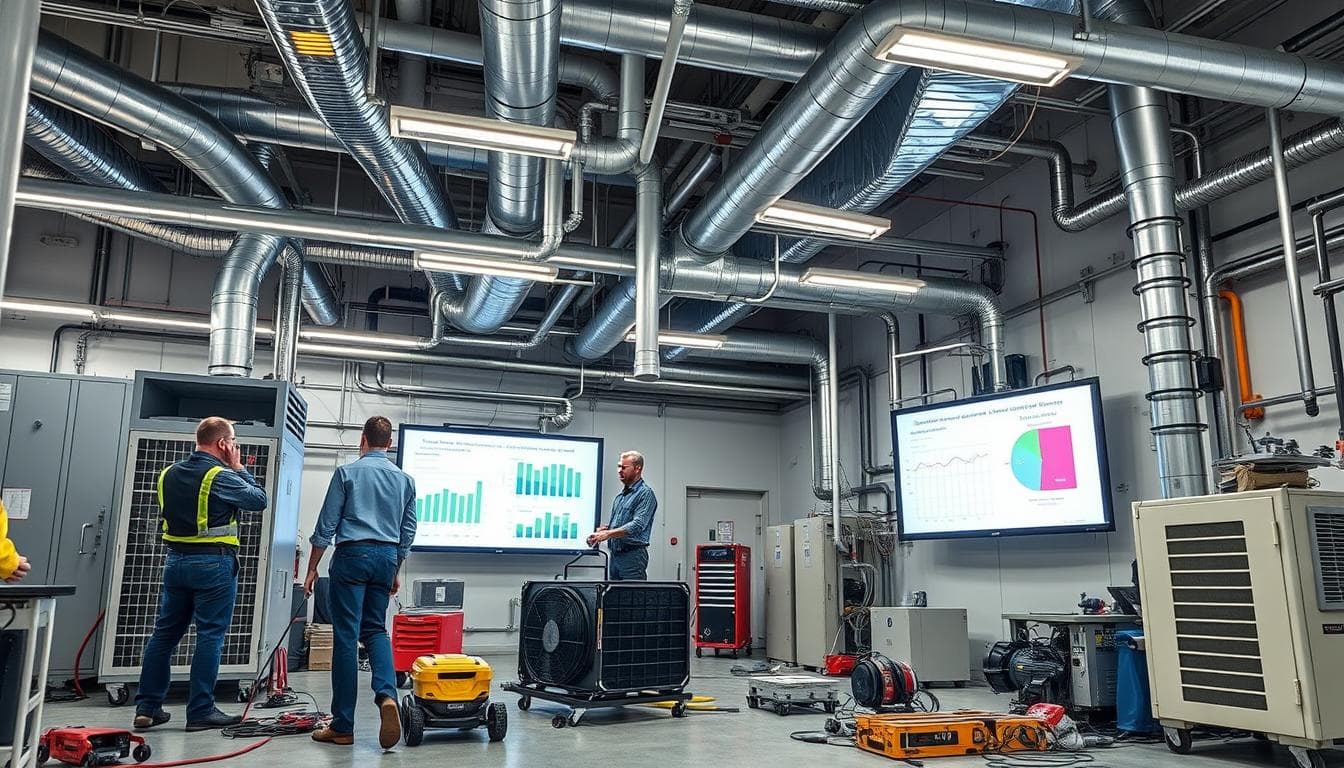
HVAC energy audits in Houston, TX provide comprehensive assessments of commercial heating, ventilation, and air conditioning systems to identify energy efficiency opportunities and cost-saving measures. These detailed evaluations analyze system performance, identify inefficiencies, and provide prioritized recommendations for improvements that reduce operating costs while maintaining occupant comfort.
In Houston's hot and humid climate, where commercial HVAC systems can represent 40-60% of building energy consumption, energy audits serve as critical tools for identifying waste and optimization opportunities. Our certified auditors use advanced diagnostic tools and industry-standard protocols to evaluate system performance and recommend targeted improvements that deliver measurable energy savings.
The audit process encompasses comprehensive data collection, performance analysis, and detailed reporting with specific recommendations prioritized by cost-effectiveness and impact. We evaluate all system components including equipment efficiency, controls performance, ductwork integrity, and operational practices to provide a complete picture of energy usage and potential improvements.
Energy audits follow recognized industry standards including ASHRAE Level II procedures, ensuring comprehensive analysis and reliable recommendations. Our certified professionals provide detailed reports with cost-benefit analysis, implementation priorities, and expected return on investment for each recommended improvement.
Post-audit implementation support includes assistance with incentive applications, contractor selection guidance, and performance verification after improvements are completed. We ensure audit recommendations translate into actual energy savings and operational improvements for commercial property owners.
The audit findings typically identify opportunities for 15-30% energy cost reductions through equipment upgrades, operational improvements, and system optimizations. These savings compound over time, providing substantial returns on the audit investment while supporting sustainability goals.
Regulatory compliance aspects ensure systems meet current energy codes and qualify for available incentives. Audits provide documentation required for energy efficiency programs, green building certifications, and utility rebate applications that can significantly reduce improvement costs.
Building performance optimization extends beyond energy savings to include improved indoor air quality, enhanced occupant comfort, and extended equipment life. Comprehensive audits consider all aspects of HVAC system performance to ensure holistic improvements.
Financial analysis includes detailed cost-benefit calculations, payback period projections, and net present value assessments for recommended improvements. This financial perspective helps property owners prioritize investments and maximize returns on energy efficiency spending.
Technology integration opportunities are identified during audits, including smart building controls, remote monitoring capabilities, and predictive maintenance systems that enhance long-term system performance and reduce operational costs.
Our Process
HVAC energy audit services in Houston, TX follow systematic, industry-standard procedures designed to provide comprehensive system evaluation and actionable recommendations. Our certified auditors employ advanced diagnostic tools and proven methodologies to ensure accurate assessments and reliable findings.
The audit process begins with pre-audit preparation, including review of utility bills, building plans, and system specifications. This preparation allows us to focus audit efforts on high-impact areas and ensures comprehensive coverage of all major system components.
On-site assessment involves detailed inspection of all HVAC equipment, controls, and distribution systems. Our auditors use advanced measurement tools to evaluate airflow, electrical consumption, refrigerant levels, and system performance under various operating conditions.
Data analysis follows collection, with detailed evaluation of system efficiency, operational patterns, and performance characteristics. We compare actual performance against design specifications and industry standards to identify inefficiencies and improvement opportunities.
Report preparation includes comprehensive documentation of findings, prioritized recommendations, and detailed cost-benefit analysis. Reports follow standardized formats that facilitate decision-making and provide clear implementation guidance.
Client presentation delivers audit findings through detailed discussions, explaining technical results in practical terms. We provide implementation priorities, timeline recommendations, and support for decision-making processes.
Implementation assistance includes contractor referrals, incentive application support, and performance verification services. We ensure audit recommendations translate into actual improvements and measurable energy savings.
Post-implementation verification confirms that recommended improvements achieve expected results. We measure actual energy savings, system performance improvements, and return on investment to validate audit effectiveness.
Continuous support provides ongoing consultation for additional improvements and system optimization. Our relationship extends beyond the audit to ensure long-term energy efficiency and operational excellence.
Key Benefits
HVAC energy audits in Houston, TX deliver substantial value through identification of energy waste, cost-saving opportunities, and system optimization strategies. These comprehensive assessments provide the foundation for informed decision-making and measurable improvements in building performance.
Energy cost reduction represents the most immediate benefit, with audits typically identifying opportunities for 15-30% savings on HVAC operating expenses. In Houston's high-cost energy environment, these savings provide rapid return on audit investment and significant long-term cost reductions.
Improved system efficiency results from targeted recommendations that optimize equipment performance and operational practices. Audits identify inefficiencies that can be corrected through maintenance, adjustments, or upgrades to improve overall system effectiveness.
Enhanced decision-making support comes through detailed cost-benefit analysis and prioritized recommendations. Property owners receive clear guidance on which improvements provide the best returns, avoiding costly mistakes and ensuring optimal allocation of capital.
Incentive eligibility identification ensures access to utility rebates and government incentives that can reduce improvement costs by 20-50%. Audits provide the documentation required to qualify for these programs and maximize financial benefits.
Regulatory compliance verification ensures systems meet current energy codes and standards. Audits identify areas requiring upgrades and provide documentation for code compliance, protecting against fines and ensuring eligibility for certifications.
Environmental impact reduction occurs through identification of energy waste and recommendations for efficiency improvements. Audits support sustainability goals by reducing carbon footprint and supporting green building initiatives.
Equipment life extension results from recommendations that reduce system strain and prevent premature failures. Proper maintenance and operational improvements identified in audits extend equipment life and reduce replacement frequency.
Indoor air quality improvements may result from audit recommendations for better ventilation, filtration, and humidity control. These improvements enhance occupant comfort and health while supporting productivity.
Operational optimization provides insights into system usage patterns and control strategies that improve performance. Audits identify opportunities for automated controls, scheduling improvements, and operational adjustments.
Property value enhancement occurs as energy-efficient systems increase building marketability and appeal to environmentally conscious tenants. Audited and optimized buildings command higher rental rates and provide better resale value.
Maintenance cost reduction results from identification of preventive maintenance opportunities and operational improvements that reduce repair frequency and extend service intervals.
Technology upgrade opportunities are identified, including smart controls, monitoring systems, and predictive maintenance capabilities that enhance long-term system performance.
Insurance cost savings may result from reduced risk profiles and improved system reliability. Well-maintained, efficient systems often qualify for insurance premium discounts.
Competitive advantage emerges as energy-efficient buildings appeal to tenants prioritizing sustainability and cost-effectiveness. Audited properties demonstrate commitment to operational excellence and environmental responsibility.
What's Included
Example Projects
Comprehensive Level II energy audit for 150,000 sq ft office complex including all HVAC systems, utility analysis, and detailed implementation planning
Multi-tenant office building experiencing rising energy costs and tenant complaints about comfort, with management seeking to reduce expenses and improve building marketability
Conducted 3-day comprehensive audit using advanced diagnostic tools, analyzed 2 years of utility data, identified $180,000 annual savings opportunities, and provided prioritized implementation plan with incentive applications
Identified 28% energy reduction potential, secured $45,000 in utility incentives, implemented high-priority recommendations yielding 18% immediate savings, and improved tenant satisfaction scores by 35%
Contact us to schedule an HVAC energy audit for your Houston commercial property. We can provide a free initial consultation and detailed proposal.
Compliance & Standards
Frequently Asked Questions
What is included in an HVAC energy audit in Houston, TX?
How long does an HVAC energy audit take in Houston?
What are the costs of an HVAC energy audit in Houston, TX?
What qualifications do your energy auditors have in Houston?
Can energy audits identify utility incentives in Houston?
What types of recommendations come from energy audits in Houston?
How accurate are energy audit savings projections in Houston?
Do energy audits include indoor air quality assessment in Houston?
What is the payback period for energy audit recommendations in Houston?
Can energy audits help with green building certifications in Houston?
How often should commercial buildings have energy audits in Houston?
What happens after the energy audit is completed in Houston?
Ready to Discuss Your Project?
Get a detailed estimate for energy audits. No obligation, just expert advice.
Contact Us NowTypical Project Timeline
Consultation & Load Analysis
Week 1-2Site survey, load calc, and equipment selection.
Proposal & Permitting
Week 3Detailed quote, contract signing, and city permit filing.
Mobilization & Install
Week 4-6Equipment delivery, crane lift, installation, and ductwork.
Commissioning
Week 7System startup, balancing, testing, and handover.
Efficiency Standards (2025)
| System Type | Min. SEER2 / IEER | Target |
|---|---|---|
| Split System (<65k BTU) | 14.3 SEER2 | 16+ SEER2 |
| Rooftop Unit (Packaged) | 14.8 IEER | 18+ IEER |
| VRF / VRV Systems | 18.0 IEER | 22+ IEER |
| Water-Cooled Chiller | 0.58 kW/ton | 0.52 kW/ton |
Higher efficiency ratings often qualify for CenterPoint Energy rebates and tax incentives.